

What Goes Up Must Come Down: Soils and Urban Infrastructure in New York City
By Ethan Liao
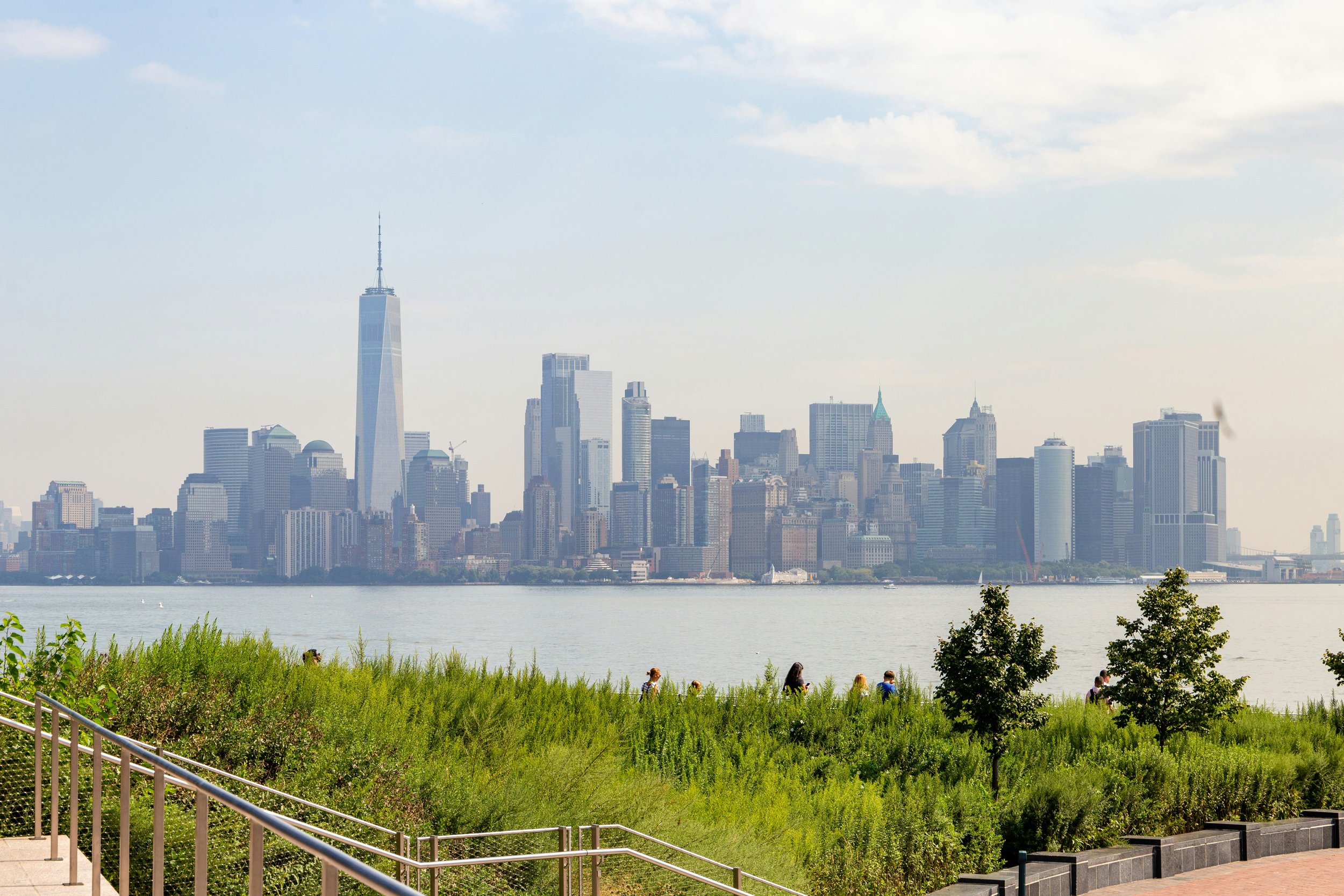
A view of Manhattan, New York. Photo credit: Maxim Klimashin
Thinking about soils in cities can feel like a contradiction. Soils are “dirty,” mixing organic matter with solid earth via millennia-long natural processes. By contrast, traditions of urban planning tend to see cities as clean, pre-designed, and constructed entirely by humans. In reality, however, soils and cities have deeply intertwined relationships. Each city contains unique soils, reflecting the particular construction, demolitions, and environmental footprints of its location’s history. Understanding the soil thoroughly can mitigate problems across infrastructure and health; ignoring it can be the source of deeper problems—literally and figuratively.
In this essay, we will focus on one city—New York—and explore the stories the soil tells across its physical foundations, water systems, and environmental health. We can then explore how urban planners, civil engineers, and more ought to interpret and listen to these stories when designing cities.
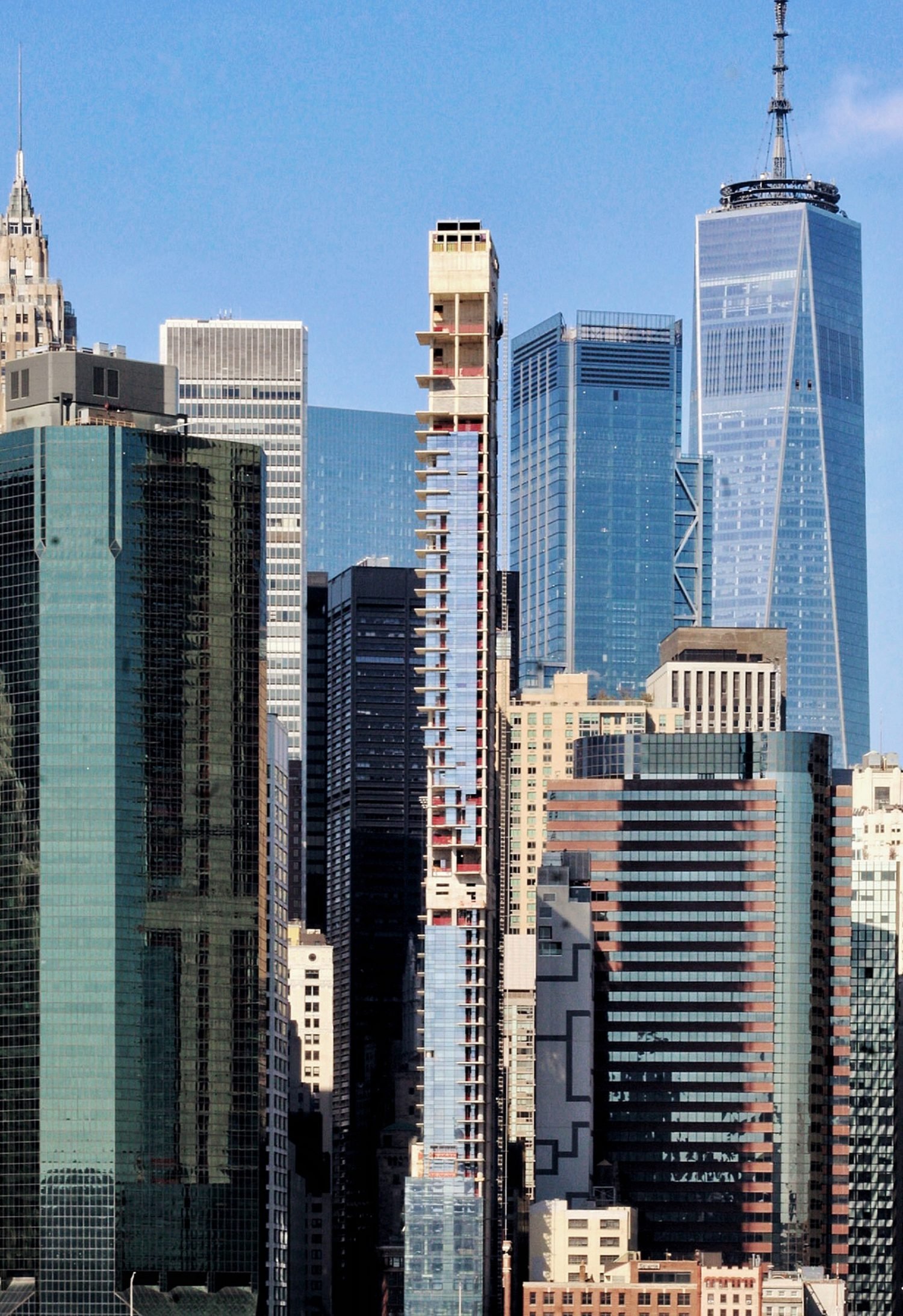
First, let’s examine a specific case where negligence of New York City’s soils resulted in a real cost. In Manhattan, 1 Seaport is a sixty-story residential building with glass-curtained walls. Intended to cost $272 million, it began to lean over three inches at the top, rendering it unusable for residential living (Mashayekhi, 2016). The issue? The building lay upon “twenty-four feet of Colonial-era infill, composed of gravel, silt, concrete, steel, bricks, and chunks of old shipwrecks and docks…pancaked former marshland… sandy deposits left by glaciers thousands of years ago, and a layer of decomposed rock” (Lach, 2025). While the neighboring buildings built foundations down to the very bedrock for maximum stability, the developers of 1 Seaport chose to inject grout into the soil and build on top to make construction easier. Eventually, the ground compressed unevenly under the building’s weight, making it tilt much like the Leaning Tower of Pisa. 1 Seaport geotechnical failure shows that soil-related errors are not only costly but also dangerous.
Even if individual projects are calculated correctly within their individual scope, the total effect of our buildings on soils can cause issues. With the combined weight of all of its buildings, New York City has been observed to be slowly sinking at a rate of 1.6 millimeters per year (Younger, 2023). Over time, this sinking puts significant strain on underground infrastructure, such as subways, sewers, and electrical lines, and significantly increases the risks of flooding.
The truth is, not all land is created equal. Yet this fact often clashes with economic and demographic incentives. For example, overcrowding can pressure developers to build on dodgier lands. And already, cities like New York perpetuate risky construction habits. One fourth of Manhattan is built over old landfills (Zhou, 2023). Luckily, that land has been carefully remediated first. Other cities may be trying to build on compressible marshlands or areas with clays that can shrink and swell with enough force to crack foundations.
Beyond physical infrastructure support, soils are also key to maintaining the water systems that cities depend on. They filter stormwater into drinkable water stored in aquifers beneath cities. However, New York is over 70% impervious, with buildings and roads completely sealing off the soil underneath (New York City DEP).
This has three major impacts. Firstly, aquifers become depleted, lacking enough water to supply residents. A subsequent problem for coastal cities like New York is that when the freshwater pressure is low, the nearby saltwater will intrude into the aquifers, further reducing the amount and accessibility of drinkable water. As a result, New York City relies primarily on imported surface water for its drinking water supply, as its own aquifers have become insufficient.
Secondly, a city covered with impervious surfaces will have a lower capacity to drain water during heavy rain events, increasing the risk of surface water building up to the point of flooding. With climate change and the slow sinking of New York City, this will become more frequent and costly. Additionally, in urban environments, flooding can overwhelm sewer systems, causing them to overflow and release untreated sewage into public waterways. Flooding, therefore, also negatively impacts environmental and public health.
Thirdly, soils regulate temperature. The evaporation of soil moisture can naturally cool cities by taking up heat. When cities build over these soils, however, they lose this cooling mechanism. In fact, pavement is notorious for absorbing heat from sunlight, an experience many know from walking barefoot on a sunny day. This is important because in New York City, more people die from extreme heat than all other natural disasters combined (New York City Department of Health and Mental Hygiene, 2021). With increasing concerns about rising temperatures and urban weather disasters, soil can be a crucial resource to strengthen resilience and protection.
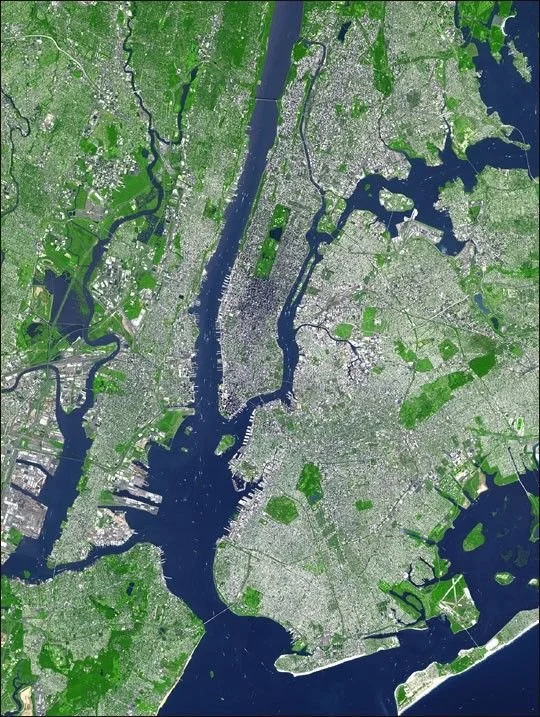
Satellite image of New York City as of September 2002. Observe the large expanses of non-green land and their proximity to seawater. (NASA)
While the influences discussed so far have been largely physical, soils are also important chemical and biological systems that contribute to plant growth and store, transport, or cleanse pollutants. However, these chemical and biological processes are altered by human activity. A relatively new field of research in soil science examines urban soils, where human artifacts and materials are incorporated into the earth. New York is the first city in the world to have such soils fully cataloged. Of the 70 soil series identified, 32 were developed in human-imported mediums such as construction materials like wood and concrete (of which the latter can raise soil pH, inhibiting plant growth) (New York City Soil Survey Staff, 2005). More significantly, many soils contain waste products, such as coal ash, which carry heavy metals like arsenic, mercury, and lead that are dangerous to human health. While these may seem like drastic examples, regular practices today, such as using rock salts to de-ice roads, are also noteworthy. They leach into soils, increasing their salinity and making them inhospitable for plant growth. The salts also pass into freshwater systems, where they can harm fish and amphibians. Indeed, most materials and items brought into cities will likely end up in the ground or waterways sooner or later. However, planners may neglect these effects when highlighting the smaller scope of their projects.
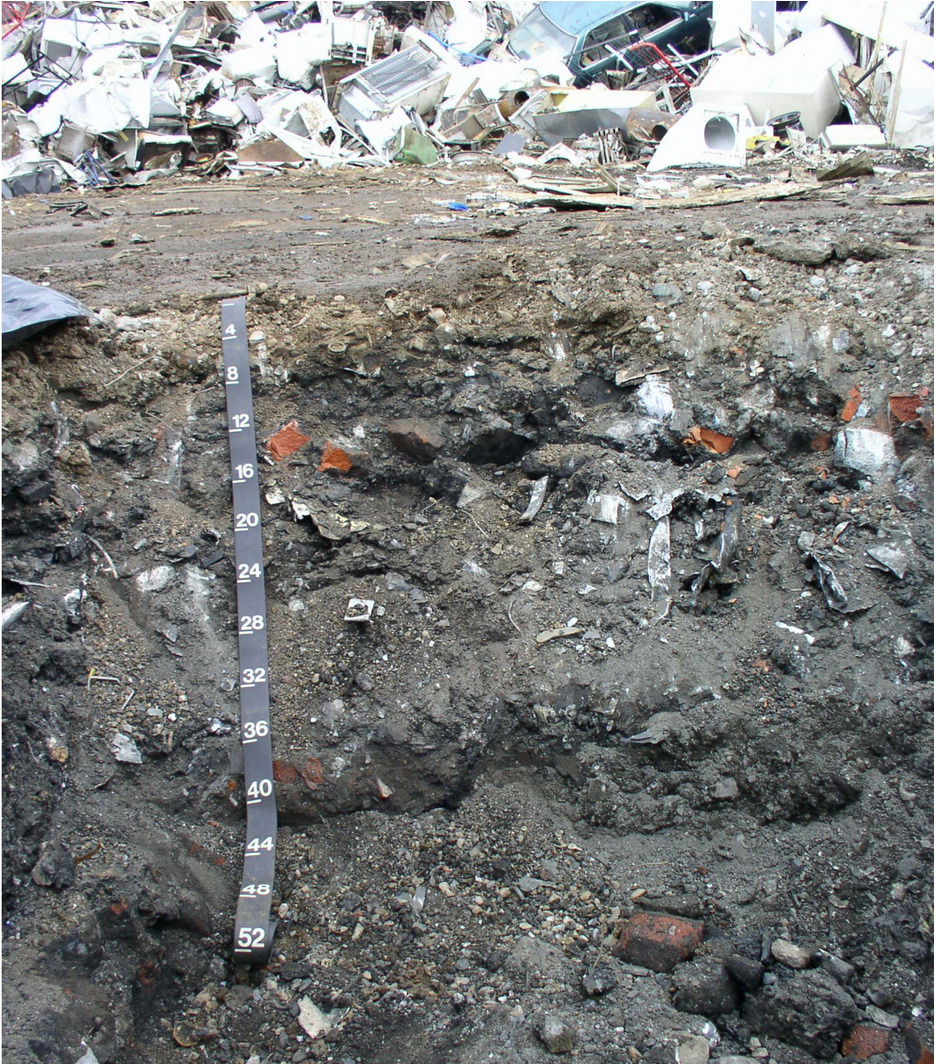
The Laguardia Series at Edgewater Road, Hunts Point, along the Bronx River is an artifactual fill soil, which comprises about 6% of the land area of New York City. (USDA-NRCS)
When cities overlook their soils, they overlook what holds up their infrastructure, cleans their water, grows their vegetation, and more. At the same time, the clear importance of soils means that by building intelligently around and with them, we can mitigate risks and even capitalize on their benefits. We can choose buildings that best suit different soil types (e.g., stopping the construction of basements in expansive clays), pavements that do not seal off the ground, and plants that can grow well in and repair disturbed soils (e.g., like alkaline-tolerant plants in coal ash soils). In doing so, we not only ensure our cities stand tall but also that they have strong foundations in the ground beneath.
References
Mashayekhi, R. (2016, March 1). Fortis seeking $272M sellout at 1 Seaport condo tower. The Real Deal. https://therealdeal.com/2016/03/01/fortis-seeking-272m-sellout-at-1-seaport-condo-tower/
Lach, E. (2025, February 3). The leaning tower of New York: How a luxury condo building in Manhattan went sideways. The New Yorker. https://www.newyorker.com/magazine/2025/02/10/the-leaning-tower-of-new-york
Zhou, N. (2023, Jun 6). A City Built on Garbage: New York City’s History As Told Through Its Trash. The Science Survey. https://thesciencesurvey.com/features/2023/06/06/a-city-built-on-garbage-new-york-citys-history -as-told-through-its-trash/
Younger, S. (2023, Sept 27). NASA-Led Study Pinpoints Areas of New York City Sinking, Rising. Nasa Jet Propulsion Laboratory.
https://www.jpl.nasa.gov/news/nasa-led-study-pinpoints-areas-of-new-york-city-sinking-rising/
New York City Soil Survey Staff. (2005). New York City reconnaissance soil survey. U.S. Department of Agriculture, Natural Resources Conservation Service. https://www.soilandwater.nyc/files/c9ab6cd08/reconnaissance_soil_survey_report.pdf
New York City Department of Environmental Protection. (n.d.). Resilient NYC partners. https://www.nyc.gov/site/dep/whats-new/resilient-nyc-partners.page
New York City Department of Health and Mental Hygiene. (2021, August 20). The urban heat island effect in NYC. NYC Environment & Health Data Portal. https://a816-dohbesp.nyc.gov/IndicatorPublic/data-stories/urban-heat-island/